
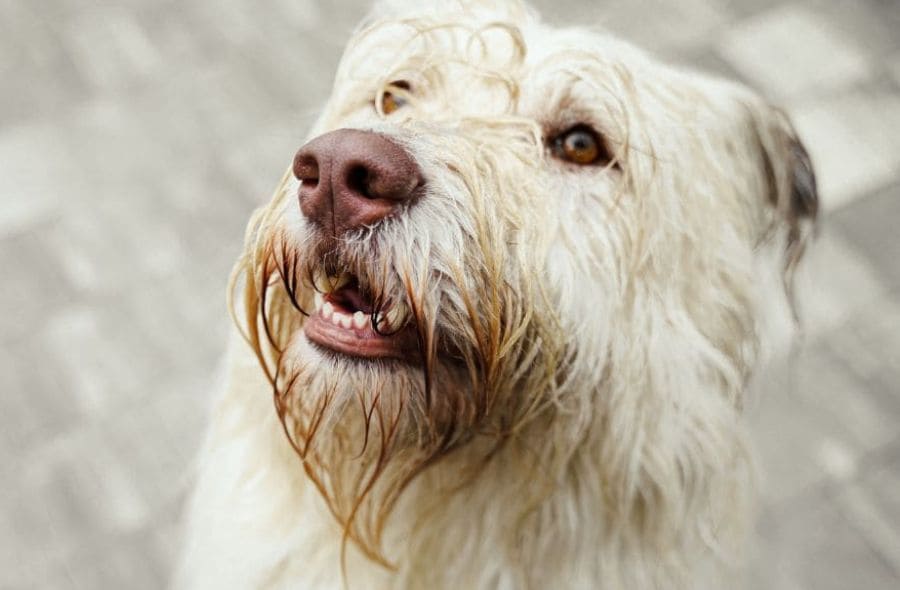
Here’s something most dog owners don’t know: dental disease is one of the most common health problems in senior dogs, and one of the most overlooked.
By the time most dogs reach their senior years, the vast majority already have some degree of dental disease. Not because their owners don’t care — but because it’s easy to miss. Bad breath gets written off as “just a dog thing.” Bleeding gums go unnoticed under fur and lips. And by the time it’s obvious, it’s often already painful.
Senior dog dental care isn’t just about fresh breath. It’s about preventing pain your dog can’t tell you about, and avoiding health problems that start in the mouth and spread further than you’d expect.
This guide covers what senior dog dental care actually looks like at home — what works, what’s a waste of time, and how to tell if your dog’s mouth needs a vet’s attention.
Why Senior Dog Dental Care Is Essential as Dogs Age
Dental disease builds up slowly, over years, which is exactly why it becomes such a big problem by the time a dog is a senior.
Plaque forms on teeth daily. If it isn’t removed, it hardens into tartar within a few days. Tartar traps bacteria against the gumline, which causes inflammation — this is gingivitis, the earliest stage of dental disease.
Left untreated for years, gingivitis progresses into periodontal disease: the bacteria work their way below the gumline, damaging the structures that hold teeth in place. Teeth become loose. Infections form. Bone around the tooth roots can actually break down.
By the time a dog is 8, 10, or 12 years old, that’s a decade or more of plaque buildup — which is why senior dogs are hit so much harder than younger ones, even if nobody ever “did anything wrong.”
There’s also a connection that surprises a lot of owners: the bacteria from dental disease doesn’t just stay in the mouth. It can enter the bloodstream and has been linked to stress on the heart, liver, and kidneys This kind of chronic, low-level stress on the body adds up over time — similar to how joint inflammation affects senior dogs more broadly. — organs that are often already working harder in senior dogs.
Signs of Dental Disease in Senior Dogs
Some of these are obvious. Others are easy to miss unless you’re specifically looking.
Bad breath that’s actually bad. All dogs have some doggy breath, but a strong, persistent, unpleasant odor is one of the clearest signs of bacterial buildup — not just “normal dog smell.”
Yellow or brown buildup on the teeth. This is tartar, and once you see it, it’s already hardened onto the tooth (brushing alone won’t remove it at that point).
Red, swollen, or bleeding gums. Gently lift your dog’s lip and look at the gumline. Healthy gums are pink and firm. Red, puffy, or bleeding gums mean inflammation is already happening.
Reluctance to eat hard food or chew toys. A dog who suddenly prefers soft food, or seems to chew carefully on one side of their mouth, may be dealing with pain from a damaged tooth.
Pawing at the face or mouth. This can indicate a specific painful tooth or an object stuck in the gums.
Visible loose or missing teeth. By the time this is visible, periodontal disease is usually advanced.
Drooling more than usual, especially if it’s blood-tinged.
Lumps or swelling on the face, particularly under the eyes — this can indicate a dental abscess, which is a genuine emergency.
If you notice several of these together, that’s worth a vet visit rather than a wait-and-see approach. Dental pain in dogs is often silent for a long time, then suddenly obvious once it’s significant.
Daily Care: What Actually Helps
Brushing (Yes, Really)
Brushing is the single most effective thing you can do for your dog’s dental health, and it’s also the thing almost no one does consistently.
Daily brushing is ideal. Realistically, even 3–4 times a week makes a meaningful difference compared to never brushing at all.
How to actually do it:
- Use a dog-specific toothpaste (human toothpaste contains xylitol and fluoride, both toxic to dogs)
- Start slow — let your dog lick the toothpaste off your finger first so they associate it with something good
- Use a soft-bristled dog toothbrush or a finger brush if your dog is more comfortable with that
- Focus on the outer surfaces of the teeth, especially along the gumline — that’s where plaque accumulates most
- Keep sessions short at first (even 30 seconds counts) and build up gradually
For a senior dog who’s never had their teeth brushed before, this takes patience. Don’t force it. A few seconds of calm brushing daily beats a stressful two-minute wrestling match that makes your dog dread it next time.
Dental Chews and Treats
Dental chews work through mechanical action — the chewing motion helps scrape plaque off the teeth, similar to how a toothbrush works.
They’re not a replacement for brushing, but they’re a genuinely useful addition, especially for dogs who won’t tolerate a toothbrush.
What to look for:
- Products with the VOHC (Veterinary Oral Health Council) seal — this means the product has actually been tested and shown to reduce plaque or tartar
- Appropriate size and texture for your dog’s mouth and remaining teeth (a senior dog with fewer teeth or dental sensitivity may need a softer option)
- Reasonable calorie content — dental chews can add up calorically if given daily on top of regular meals
Water Additives and Dental Sprays
These are lower-effort options that add antibacterial or plaque-reducing ingredients to your dog’s water or directly onto their teeth and gums.
They’re not as effective as brushing, but for a senior dog who won’t tolerate a toothbrush or dental chews (due to missing teeth or mouth sensitivity), they’re better than doing nothing. Look for VOHC-approved options here too.
Dental Diets
Some prescription and over-the-counter foods are specifically formulated with a kibble texture and shape designed to scrape teeth during chewing, along with ingredients that help reduce tartar formation. These can be a reasonable option for dogs who won’t accept brushing or chews, though they generally work best as part of a broader routine, not a standalone solution. Just like joint supplements support long-term health alongside daily habits, dental diets work best as part of a consistent routine rather than a standalone fix.
What About Professional Teeth Cleaning?
At-home care slows down plaque buildup, but it doesn’t remove tartar that’s already hardened, and it can’t clean below the gumline where periodontal disease actually does its damage.
That’s what professional dental cleanings under anesthesia are for. During a professional cleaning, a vet can:
- Scale away tartar above and below the gumline
- Take dental X-rays to check for problems hidden below the surface (a huge percentage of dental disease is invisible without X-rays)
- Extract teeth that are too damaged to save
- Polish teeth to slow future plaque buildup
“But My Dog Is Old — Is Anesthesia Safe?”
This is the question that stops a lot of senior dog owners from scheduling a needed cleaning, and it’s a fair concern.
Modern veterinary anesthesia protocols are significantly safer than they used to be, and vets typically run pre-anesthetic bloodwork on senior dogs specifically to check organ function before recommending the procedure. Age alone isn’t usually a disqualifying factor — health status matters more than the number on the birthday cake.
That said, it’s a completely reasonable conversation to have directly with your vet: ask about your dog’s specific bloodwork results, their individual risk factors, and what precautions will be taken. A good vet will walk through this with you rather than brushing off the concern.
Leaving significant dental disease untreated because of anesthesia worries often ends up causing more suffering — from chronic pain and infection — than a well-monitored procedure would.
Building a Realistic At-Home Routine
You don’t need to do everything perfectly. Here’s a routine that’s actually sustainable:
Ideal:
- Daily brushing
- Daily dental chew (VOHC-approved)
- Annual dental check at the vet, more often if your dog has existing dental disease
Realistic minimum that still helps:
- Brushing 3x per week
- Dental chews a few times a week
- Water additive as a daily baseline
- Vet dental exam at least once a year (often included in annual wellness visits)
Something consistent beats an ambitious routine you abandon after two weeks. Pick what you can actually stick with, and build from there.
Special Considerations for Senior Dogs Specifically
Missing or loose teeth change what “chewing” should look like. A dog with significant tooth loss may need softer dental chews or may benefit more from brushing and water additives than hard chews that could hurt already-compromised teeth.
Existing health conditions matter for treatment planning. Dogs with heart, kidney, or liver issues need extra care around anesthesia timing and monitoring — this is a conversation for your vet, not a reason to avoid dental care altogether.
Pain tolerance often masks how bad things really are. Dogs are experts at hiding dental pain, sometimes continuing to eat normally even with significant infection present. Recognizing subtle pain signs in senior dogs matters here too — dental pain often hides behind the same quiet coping behaviors that mask other sources of discomfort. This is part of why regular vet checks matter more as dogs age — a professional exam can catch things you’d never see at home.
Frequently Asked Questions
How often should I brush my senior dog’s teeth? Daily is ideal, but 3–4 times per week provides real benefit if daily isn’t realistic. Consistency matters more than perfection — a routine you actually maintain beats an ideal one you abandon.
Is it too late to start dental care for an old dog who’s never had their teeth brushed? It’s never too late to start. While brushing won’t undo existing tartar or damage, starting now prevents things from getting worse and can meaningfully slow further disease progression, alongside a professional cleaning if needed.
What are the signs my senior dog needs a dental cleaning right away? Strong bad breath, visible tartar buildup, red or bleeding gums, reluctance to eat, pawing at the mouth, or facial swelling are all signs that warrant a vet visit rather than waiting for the next scheduled checkup.
Can dental disease actually affect my dog’s overall health, not just their mouth? Yes. Bacteria from periodontal disease can enter the bloodstream and has been associated with additional stress on the heart, kidneys, and liver — organs that are often already working harder in aging dogs.
Are dental chews as good as brushing? No, but they’re a helpful addition. Brushing physically removes plaque along the gumline in a way chewing alone can’t fully replicate. VOHC-approved dental chews are a good supplement to brushing, not a full replacement for it.
How much does a professional dog teeth cleaning cost, and is it worth it for a senior dog? Costs vary widely by location and whether extractions or X-rays are needed, but professional cleanings are one of the most effective interventions for preventing pain and further health complications from dental disease. For most senior dogs with dental disease, the benefit significantly outweighs the cost and manageable anesthesia risk when properly screened beforehand.
This article is for general informational purposes and is not a substitute for professional veterinary advice. If your dog shows signs of dental pain or disease, please consult your veterinarian. See our Medical Disclaimer for more information.
PawzyVibe participates in the Amazon Services LLC Associates Program. If you purchase through links on this page, we may earn a small commission at no extra cost to you. We only recommend products we genuinely believe help senior dogs.