
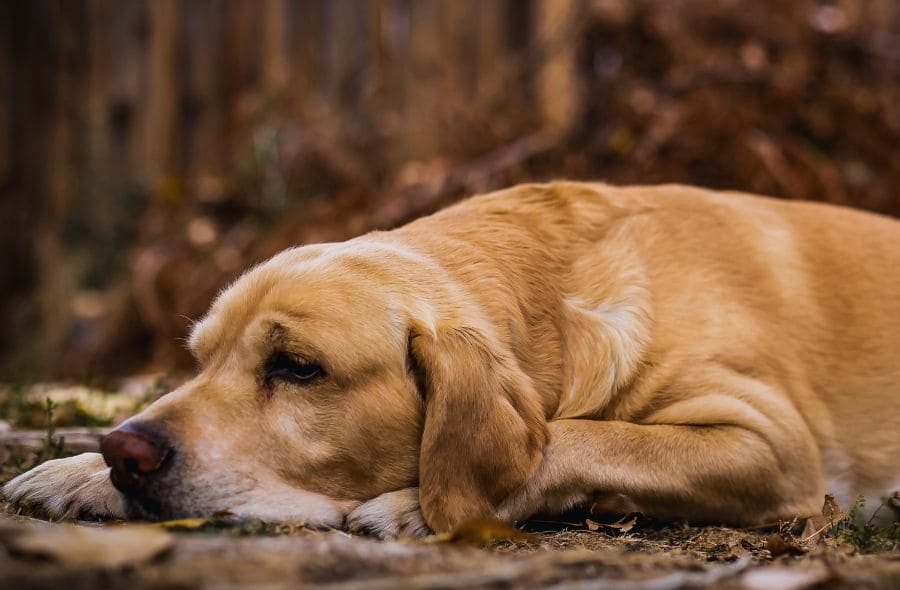
Your dog can’t tell you when something hurts.
That’s the hardest part of having a senior dog. They don’t complain. They don’t ask for help. A lot of the time, they just quietly adjust — doing less, sleeping more, avoiding the things that hurt — until one day you realize something has been wrong for a while.
Dogs hide pain. It’s instinct. In the wild, showing weakness is dangerous. So even the most loyal, loving dog will often mask discomfort in ways that are easy to miss.
This guide covers the nine most common signs of pain in senior dogs — including some that don’t look like pain at all. Recognizing these signs early can make a real difference. If you know what to look for, you can catch problems earlier. And earlier almost always means better.
Why Senior Dogs Feel More Pain (And Why You Might Not Notice)
Most dogs are considered “senior” around age seven, though large breeds like German Shepherds and Labs often show aging signs earlier.
As dogs get older, a few things happen:
- Joint cartilage wears down. This is arthritis, and it’s remarkably common — studies suggest that up to 80% of dogs over eight years old have some degree of it.
- Muscles weaken. Less muscle means less support for joints and the spine.
- Nerves become more sensitive. Things that didn’t bother them before start to.
- Recovery takes longer. A long walk that used to feel easy might leave them sore for days.
The result is that many senior dogs are in some level of discomfort much of the time — and most owners have no idea.
9 Signs of Pain in Senior Dogs
1. Stiffness After Resting
This is one of the most reliable signs of pain in senior dogs, and it’s one of the easiest to miss because it seems so gradual.
Watch what happens when your dog gets up after sleeping. Do they hesitate? Take a few slow, careful steps before they move normally? Struggle to stand up from a lying position?
That stiffness is almost always joint pain — typically arthritis in the hips, elbows, or spine. The joints stiffen during rest and need a few minutes to “warm up.”
If your dog regularly looks stiff for the first 5–10 minutes after waking up, that’s not normal aging. That’s pain.
What to do: Talk to your vet. Joint supplements (like glucosamine and omega-3s) can help, and so can an orthopedic bed that reduces pressure on painful joints during sleep.
2. Reluctance to Jump or Climb Stairs
Does your dog hesitate before jumping onto the couch — where they used to leap without thinking? Do they avoid the stairs, or take them slowly and carefully?
This is a big one. Dogs don’t stop doing things they love without a reason. If your dog is avoiding jumps and stairs, it’s because those movements hurt.
A lot of owners interpret this as “getting lazy” or “just getting old.” It’s neither. It’s pain.
What to do: Help reduce the impact by adding a ramp or steps to furniture and your car. It makes a bigger difference than most people expect.
3. Changes in Gait or the Way They Walk
Watch your dog walk across the room. Does anything look off?
Signs to look for:
- Limping — favoring one leg, even subtly
- Shorter steps than they used to take
- Head bobbing when they walk (often a sign of front leg pain)
- Swaying hips or a “bunny hop” with the back legs (common with hip dysplasia)
- Toe dragging — their nails scraping the floor as they walk
Even a subtle change in the way a dog moves is often a sign they’re compensating for pain somewhere.
What to do: Video your dog walking on a normal day and bring it to the vet. It’s much easier for a vet to assess gait when they can see it on video, rather than trying to recreate it during a stressful appointment.
4. Panting When They’re Not Hot or Exercised
This one surprises a lot of people.
Dogs pant when they’re warm or tired. But panting for no obvious reason — when it’s cool, when they haven’t been active, when they’re just resting — is often a sign of pain or discomfort.
Chronic pain is stressful. It keeps the body in a low-level stress state, and panting is one way that stress shows up physically.
If your senior dog seems to pant more than they used to, especially at night or when resting, mention it to your vet.
What to do: Keep a log of when the panting happens and what was going on before it. That pattern helps your vet figure out whether it’s pain, anxiety, a heart issue, or something else.
5. Sleeping Much More Than Usual
Senior dogs do sleep more than younger dogs. That’s normal.
But there’s a difference between sleeping more because they’re aging, and sleeping more because moving hurts.
If your dog seems to spend most of the day resting — not just sleeping, but unwilling to move around much even when you invite them to — that extra stillness can be a sign that activity is painful.
Pain is exhausting. A dog who’s managing chronic discomfort is using a lot of energy just getting through the day.
What to do: Notice whether your dog’s sleep has increased gradually over weeks or changed more suddenly. A sudden increase in sleep or lethargy always deserves a vet visit.
6. Irritability or Snapping
Has your dog become grumpy? Do they snap when touched in certain spots — their back, hips, or legs — where they never used to?
Irritability and out-of-character aggression in a senior dog are often pain responses, not personality changes.
Think about it from their perspective: if someone kept accidentally touching your sore knee, you’d eventually flinch or pull away. A dog does the same thing, but dogs can only communicate with body language — and when that’s ignored, sometimes a growl or snap is all they have left.
What to do: Never punish a dog for growling or snapping around pain. It’s communication, not bad behavior. Have your vet do a full physical exam — they’ll check for painful areas by gently pressing along the spine, hips, and joints.
7. Loss of Interest in Food or Water
Pain affects appetite. A dog who’s uncomfortable — especially from mouth pain, stomach pain, or significant joint pain — often eats less or shows less excitement about meals.
This one is worth paying close attention to, because loss of appetite in a senior dog can signal many different things. But pain is always on that list.
Also watch for changes in how they eat. Does your dog seem reluctant to bend their head down to the bowl? That can signal neck or spine pain — and elevating the food and water bowls slightly often helps immediately.
What to do: If your dog skips more than one meal or has noticeably reduced appetite for more than a day or two, call your vet. Don’t wait on this one.
8. Excessive Licking or Chewing at One Spot
Dogs often lick or chew at areas that hurt, even when there’s no visible wound there.
A dog licking at a joint — their elbow, knee, or hip — is often doing so because that joint hurts. The licking is self-soothing behavior.
Look for areas of the coat that look wet, matted, or discolored (chronic licking turns light fur reddish-brown). Check the skin underneath — it may be irritated or raw from the repeated attention.
What to do: If your dog is consistently focused on one spot, have a vet look at both the skin and the underlying structure. It might be a skin issue, but it might also be joint pain, nerve pain, or something else that needs attention.
9. Difficulty Getting Comfortable
A dog in pain often can’t settle.
They lie down, get up, circle, lie down again. They seem restless, especially at night. They try several spots before staying in one. They sigh heavily.
This is what chronic pain looks like in a dog who can’t tell you they hurt. The discomfort keeps shifting — lying in one position gets uncomfortable, so they move, but the new position becomes uncomfortable too.
Night restlessness in a senior dog is one of the most common things owners mention when they finally bring their dog in for a pain evaluation. And it’s almost always been going on longer than they realized.
What to do: If your dog is restless at night, look at their sleeping surface first. A soft, unsupportive bed can make joint pain significantly worse. Orthopedic memory foam beds reduce pressure points and help many dogs sleep through the night more comfortably.
Signs That Are Easy to Miss
A few pain signs that regularly get overlooked:
Changes in facial expression. A dog in pain often has a tight, slightly pinched look around the eyes and brow. It’s subtle — but if you know your dog’s normal relaxed face, you may notice when it looks different.
Trembling or shaking. Low-level trembling, especially in the rear legs or during physical activity, can signal pain or muscle weakness from compensating for painful joints.
Avoiding certain surfaces. A dog who suddenly refuses to walk on hardwood floors, or won’t go outside on cold mornings, is often reacting to pain that’s made slippery or cold surfaces feel unsafe or uncomfortable.
Withdrawal. A dog who was social but now stays in another room, doesn’t greet you at the door, or seems less interested in interaction may be in pain. Dogs often withdraw when they don’t feel well.
What to Do If You Think Your Dog Is in Pain
First — call your vet. Don’t try to diagnose or manage significant pain at home without professional input. Dogs metabolize many common pain medications very differently than humans, and giving your dog Advil, Tylenol, or aspirin can be seriously dangerous.
Here’s what helps while you’re waiting for your appointment:
Make movement easier. Ramps instead of stairs. Non-slip rugs on hardwood floors. A raised food bowl. These small changes reduce the effort required for everyday activities.
Upgrade their sleeping surface. A quality orthopedic bed reduces joint pressure during the many hours a senior dog spends resting. It won’t fix pain, but it reduces one of the most consistent sources of it.
Track what you notice. Write down what you’re seeing before the vet appointment — when it happens, how long it lasts, whether certain activities make it better or worse. The more specific you can be, the more useful the appointment will be.
Ask about pain management options. There are several effective, safe options for managing chronic pain in senior dogs — from joint supplements and prescription anti-inflammatories to laser therapy and physical rehabilitation. Your vet can help you figure out what makes sense for your dog’s specific situation.
Frequently Asked Questions
How do I know if my senior dog is in pain or just slowing down with age? Slowing down is normal. But pain signs — stiffness after rest, reluctance to jump, gait changes, irritability, or restlessness at night — are not just “aging.” They’re signs that something is hurting. If you’re seeing any of these consistently, a vet evaluation is worth it.
My dog doesn’t cry or whimper. Does that mean they’re not in pain? No. Most dogs don’t vocalize pain unless it’s sudden and severe. Chronic pain is usually silent. The signs are behavioral — changes in movement, sleep, appetite, mood, and activity level — not sounds.
What’s the best thing I can do at home for a senior dog in pain? Focus on reducing the physical demands of daily life: ramps instead of jumps, non-slip surfaces, a supportive orthopedic bed, and raised food bowls if your dog has neck or back issues. These changes don’t replace veterinary care, but they can meaningfully reduce daily discomfort.
Can dogs feel arthritis pain the same way humans do? Yes — the underlying biology is very similar. Cartilage degrades, bones rub together, and inflammation causes pain. Dogs experience this the same way we do; they just can’t tell us about it.
Is it too late to help a senior dog who’s been in pain for a while? It’s almost never too late to improve a dog’s comfort. Even dogs with significant arthritis often respond well to a combination of medication, joint supplements, physical therapy, and lifestyle changes. The goal isn’t to reverse aging — it’s to make the years they have as comfortable as possible.
How often should a senior dog see the vet? Most veterinarians recommend twice-yearly checkups for dogs over seven — rather than the once-a-year standard for younger dogs. A lot can change in six months for a senior dog, and regular exams make it much easier to catch pain and other health changes early.
This article is for general informational purposes and is not a substitute for professional veterinary advice. If you believe your dog is in pain, please contact your veterinarian. See our Medical Disclaimer for more information.
PawzyVibe participates in the Amazon Services LLC Associates Program. If you purchase through links on this page, we may earn a small commission at no extra cost to you. We only recommend products we genuinely believe help senior dogs.