Senior Dog Health

Symptoms, conditions, and vet-backed health guidance for aging dogs

liver disease in senior dogs

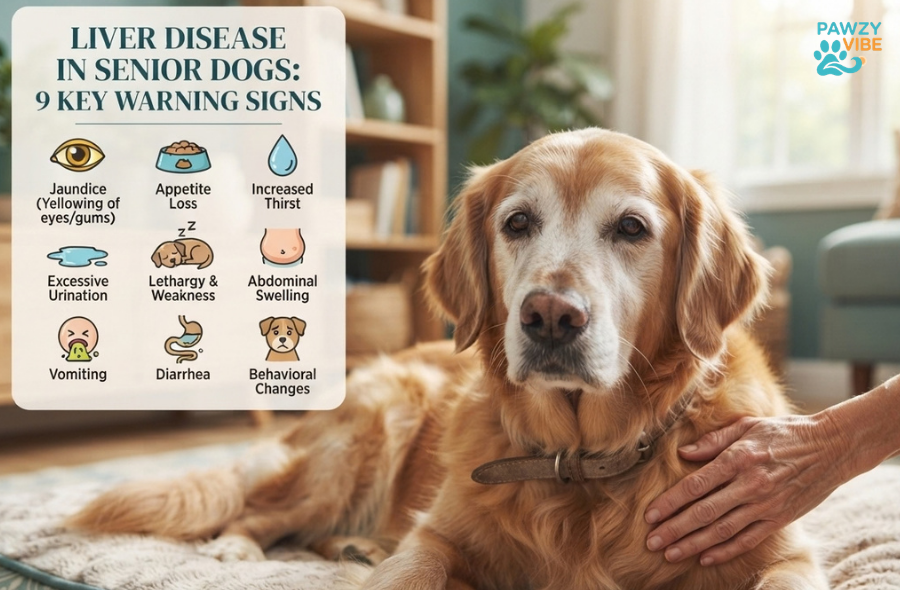
Liver Disease in Senior Dogs: Symptoms, Stages, and What Treatment Involves

Last updated: October 2026 A yellowish tinge to your dog’s eyes or gums, sudden appetite loss, or unexplained lethargy can all point toward one of the body’s hardest-working organs quietly struggling: the liver. Liver disease in senior dogs is more common than many owners realize, and catching it early makes a real difference in outcome.

Liver Disease in Senior Dogs: Symptoms, Stages, and What Treatment Involves Read More »

vestibular disease in senior dogs

Vestibular Disease in Senior Dogs: The “Stroke-Like” Episode That’s Usually Treatable

Last updated: October 2026 One moment your dog is fine. The next, their head is tilted sharply to one side, they’re falling over trying to stand, and their eyes are flicking rapidly back and forth. It looks exactly like a stroke — but vestibular disease in senior dogs is usually the real explanation, and the

Vestibular Disease in Senior Dogs: The “Stroke-Like” Episode That’s Usually Treatable Read More »

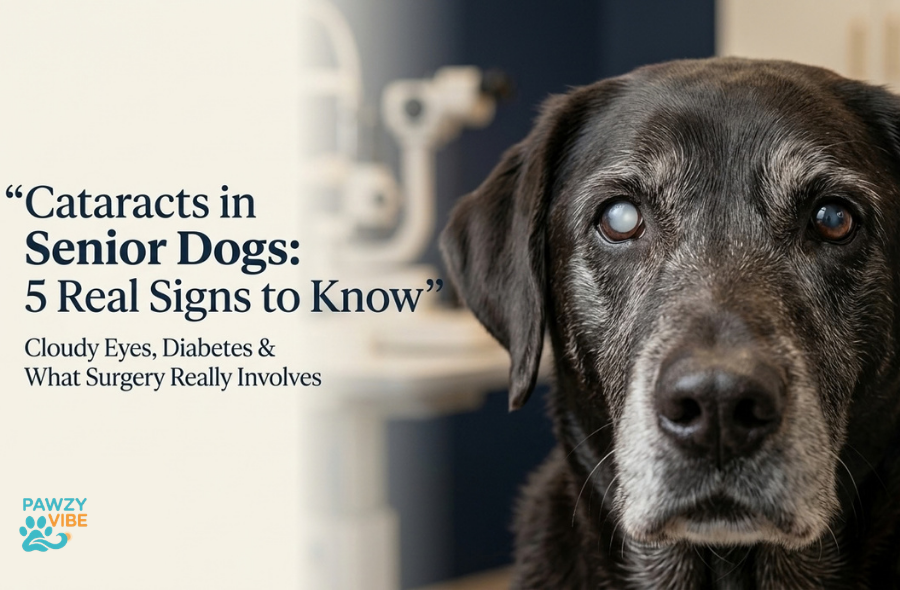
cataracts in senior dogs

Cataracts in Senior Dogs: When Cloudy Eyes Are Harmless (and When Not)

Last updated: October 2026 Noticing a cloudy, bluish, or white haze in your senior dog’s eyes is unsettling — is this just aging, or are they losing their sight? Cataracts in senior dogs are one of the most common reasons for this change, and they’re also the single most common treatable cause of blindness in

Cataracts in Senior Dogs: When Cloudy Eyes Are Harmless (and When Not) Read More »

A comforting owner holding a senior dog experiencing seizures in senior dogs symptoms.

Seizures in Senior Dogs: What to Do in the First 60 Seconds

Last updated: October 2026 Watching your dog seize for the first time is one of the most frightening things a pet owner can experience. When managing seizures in senior dogs, concern is often justified — a new-onset seizure in an older dog usually signals something quite different than it does in a young, healthy puppy.

Seizures in Senior Dogs: What to Do in the First 60 Seconds Read More »

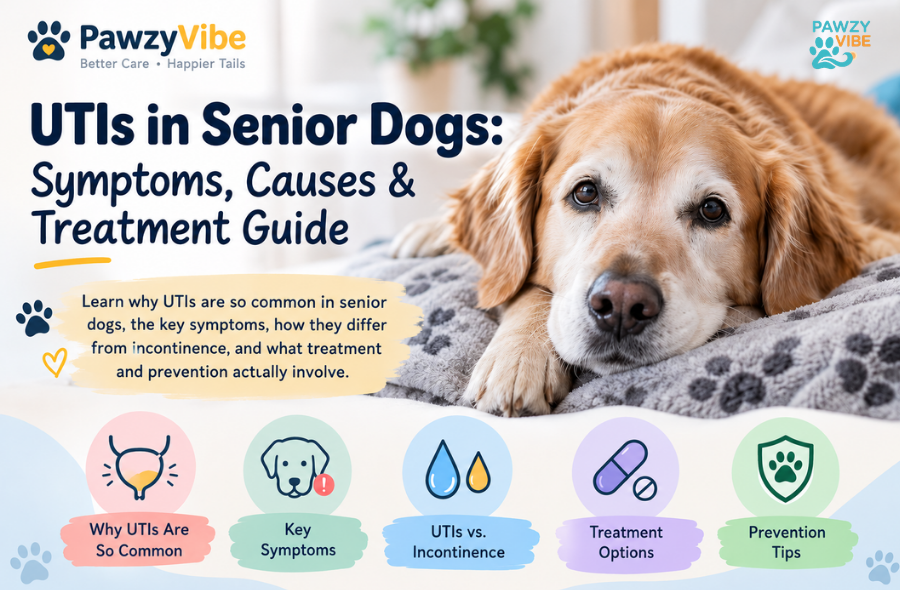
uti in senior dogs

UTIs in Senior Dogs: Why They’re So Common (and the Sign That Gets Missed)

Last updated: October 2026 A sudden puddle by the back door. Straining in the yard with barely anything coming out. A dog who suddenly can’t seem to get through the night without an accident. It’s easy to assume the worst — but managing a uti in senior dogs is one of the most common, highly

UTIs in Senior Dogs: Why They’re So Common (and the Sign That Gets Missed) Read More »

Cancer in senior dogs warning signs

Cancer in Senior Dogs: 8 Early Warning Signs Most Owners Miss

Last updated: September 2026 Hearing the word “cancer” from your vet is one of the most frightening moments a dog owner can face. But cancer in senior dogs is far more common — and often more treatable — than most people realize, and knowing what to watch for can genuinely change the outcome. This guide

Cancer in Senior Dogs: 8 Early Warning Signs Most Owners Miss Read More »

degenerative myelopathy in senior dogs

Degenerative Myelopathy in Senior Dogs: Early Signs, Stages, and How to Help Them Stay Mobile

Last updated: September 2026 If your senior dog has started stumbling over their own back paws, dragging a toenail across the floor, or struggling to push themselves up after a nap, your first instinct is probably arthritis. That’s a fair guess — but it isn’t always the right one. Degenerative myelopathy in senior dogs is

Degenerative Myelopathy in Senior Dogs: Early Signs, Stages, and How to Help Them Stay Mobile Read More »

Veterinarian preparing a senior dog for anesthesia, addressing safety concerns for anesthesia in senior dogs

Anesthesia in Senior Dogs: 7 Safety Steps (And the Questions to Ask Your Vet)

Last updated: September 2026 Your vet just recommended a dental cleaning, or maybe a lump removal, and mentioned it requires anesthesia. Your stomach dropped a little. Your dog is older now, and you’ve heard the horror stories. Here’s what’s genuinely true: anesthesia in senior dogs carries real considerations, but age alone isn’t the disqualifying factor

Anesthesia in Senior Dogs: 7 Safety Steps (And the Questions to Ask Your Vet) Read More »

Senior dog with a dull, thinning coat, a common sign of hypothyroidism in senior dogs

Hypothyroidism in Senior Dogs: 7 Signs Mistaken for “Just Aging”

Last updated: September 2026 Your dog hasn’t changed his diet or his walks, yet somehow he’s put on weight, and he seems to nap through most of the day now. It’s easy to chalk this up to simply slowing down with age. Here’s the thing worth knowing: hypothyroidism in senior dogs produces almost exactly this

Hypothyroidism in Senior Dogs: 7 Signs Mistaken for “Just Aging” Read More »

Senior dog with a pot-bellied appearance, a common sign of Cushing's disease in senior dogs

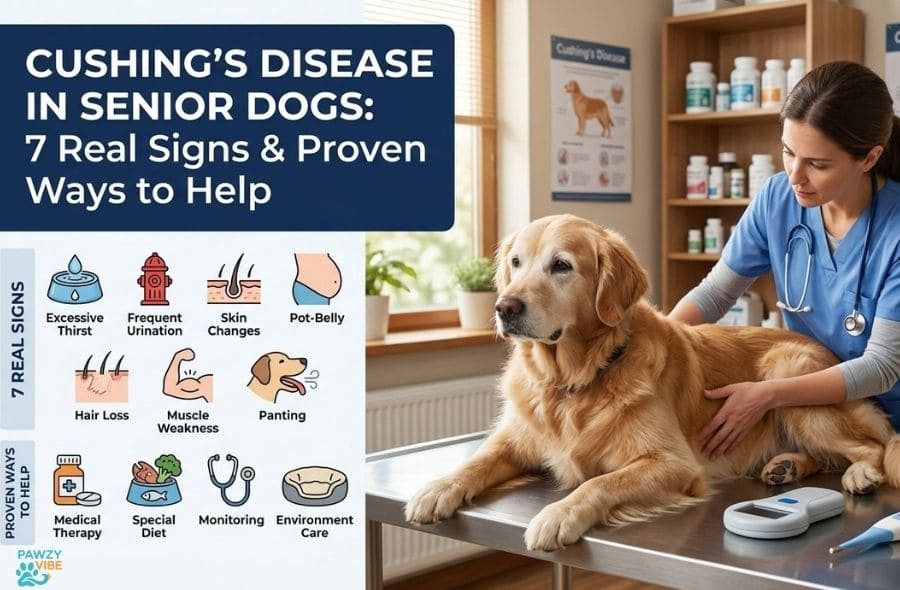
Cushing’s Disease in Senior Dogs: 7 Signs (Why Vets Miss It for Years)

Last updated: September 2026 Your dog has been drinking constantly, seems hungrier than usual, and honestly, his belly looks a little rounder than it used to. None of it seems dramatic on its own. Together, though, it’s a pattern worth paying attention to. Cushing’s disease in senior dogs, also called hyperadrenocorticism, is one of the

Cushing’s Disease in Senior Dogs: 7 Signs (Why Vets Miss It for Years) Read More »