
Last updated: September 2026
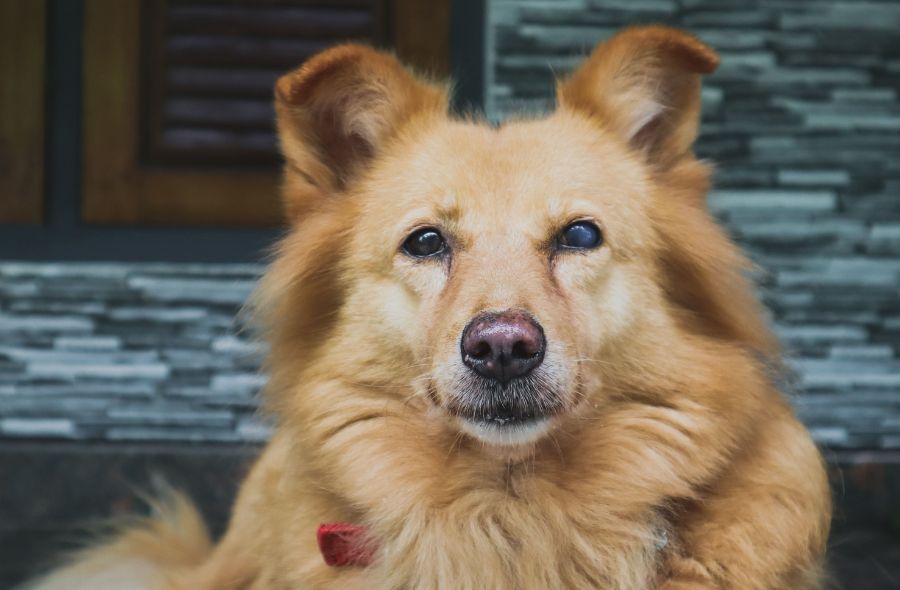
You notice a bluish haze in your dog’s eyes one day, and your stomach drops a little. Vision loss in senior dogs is common, but the first question almost every owner has is the same: is this something serious, or just part of getting older?
The honest answer is that it depends, and the two most common causes of that cloudy look are actually very different from each other. One is harmless. The other genuinely affects sight and often needs veterinary attention.
This guide walks through the real signs of vision loss in senior dogs, how to tell a harmless age-related change apart from something like cataracts, and the practical adjustments that keep a dog safe and confident even as their eyesight changes.
Two Very Different Causes Behind That Cloudy Look
This is the distinction that trips up almost every owner, so it’s worth getting clear on first.
Lenticular sclerosis (also called nuclear sclerosis) is an extremely common, harmless hardening of the eye’s lens that causes a bluish-gray haze. It affects roughly half of dogs over age 10, and critically, it does not block light or meaningfully impair vision — dogs with lenticular sclerosis generally see just fine, with only minor depth perception changes.
Cataracts, on the other hand, involve actual clouding and deterioration of the lens itself, creating opaque areas that block light from reaching the retina. This does affect vision, sometimes significantly, and can progress to partial or complete blindness if left untreated.
💡 Vet Technician Note: You genuinely cannot reliably tell these two apart just by looking. Both cause a similar bluish or cloudy appearance to the untrained eye. A proper eye exam is the only way to know which one you’re actually dealing with, so don’t assume the worst — or dismiss it as nothing — based on appearance alone.
7 Real Signs of Vision Loss in Senior Dogs
1. Bumping Into Furniture or Walls
This is usually the most noticeable sign, especially when it happens in a space your dog has lived in for years and should know by memory.
2. Hesitation in Low Light
Vision loss in senior dogs often shows up first in dim conditions — evening walks, a dark hallway, or a room with the lights off — before it’s obvious in full daylight.
3. Missing Thrown Toys or Treats
A dog who used to catch or immediately locate a tossed toy may start missing it entirely or searching around for something that landed right in front of them.
4. Cloudy or Hazy Appearance to the Eyes
Whether it’s harmless lenticular sclerosis or an actual cataract, a visible change in the eye’s clarity is often the first physical sign owners notice.
5. Increased Caution on Stairs or Uneven Ground
A dog managing declining vision often pauses, sniffs, or tests the ground more before committing to stairs, curbs, or unfamiliar terrain.
6. Reluctance to Go Into Unfamiliar Spaces
Dogs experiencing vision loss in senior dogs often do surprisingly well at home, relying on memory of the layout, but seem noticeably more hesitant somewhere new where that memory doesn’t help.
7. Startling More Easily
Similar to hearing loss, a dog with reduced vision can be caught off guard more easily simply because they didn’t see you or another pet approaching.
💡 Vet Technician Note: One sign alone, especially in a dim room, isn’t necessarily meaningful. It’s a consistent pattern across several of these signs, showing up across different lighting and locations, that points toward genuine vision loss in senior dogs rather than a one-off moment.
A Familiar Story
Patricia noticed her 11-year-old Cocker Spaniel, Bella, had started hesitating at the top of the basement stairs — something she’d never done before. A vet exam revealed early cataracts in one eye, not the harmless haze Patricia had assumed based on a neighbor’s dog.
The diagnosis didn’t change much day to day. Patricia added a baby gate at the stairs and started keeping the hallway light on at night, and Bella adjusted within a couple of weeks. It wasn’t dramatic — it just required knowing what she was actually dealing with.
Other Causes of Vision Loss in Senior Dogs
Cataracts and lenticular sclerosis are the most common explanations, but a few other conditions are worth knowing about:
- Glaucoma — a painful buildup of pressure inside the eye that requires urgent veterinary care
- Progressive retinal atrophy (PRA) — an inherited, gradual degeneration of the retina
- Diabetes-related cataracts — dogs with diabetes often develop cataracts rapidly, sometimes within months of diagnosis
- Corneal ulcers or chronic dry eye — can distort or obscure vision without necessarily involving the lens at all
According to the American Kennel Club, cataracts frequently occur alongside other conditions like diabetes, which is one more reason a proper diagnosis matters more than guessing from the couch.
When Vision Loss Needs a Vet Visit
Gradual vision changes consistent with normal aging don’t necessarily require emergency care, but a few specific situations do:
- Sudden vision loss rather than a gradual decline
- Visible redness, squinting, or apparent eye pain
- Rapid progression over days or weeks rather than months
- A cloudy eye appearing alongside excessive thirst or urination, which can point toward diabetes-related weight loss in senior dogs as part of the broader picture
- Confusion alongside vision changes, since dementia symptoms and sensory decline can sometimes overlap and are worth untangling with an exam
Sudden, complete blindness is always considered an emergency and deserves same-day veterinary attention rather than a wait-and-see approach.
How to Help a Senior Dog With Vision Loss
Keep Furniture Layout Consistent
Dogs adapting to vision loss in senior dogs rely heavily on spatial memory. Rearranging furniture, even with good intentions, can undo months of confident navigation overnight.
Add Safety Barriers Where Needed
Baby gates at stairs, padding on sharp furniture corners, and blocking off pools or unfenced drop-offs matter more once a dog can’t fully see the hazard coming.
Use Scent and Texture Cues
Different textured rugs near doorways, stairs, or a food bowl help a dog build a mental map using touch and smell rather than sight alone — and pairing this with non-slip surfaces, like the ones covered in our guide to non-slip socks for senior dogs, adds an extra layer of confidence on smooth flooring.
Announce Yourself Before Touching
A dog who can’t see you approach can be startled by sudden contact. Speaking before you touch them, especially when waking them or approaching from behind, helps prevent a surprised reaction that isn’t really about temperament.
Keep Walking Routes Familiar
Sticking to routes your dog already knows well reduces the number of unexpected obstacles they need to navigate blind, especially in the early adjustment period.
Ask About Cataract Surgery If Appropriate
For dogs with significant cataracts, surgery can restore meaningful vision in good surgical candidates. It’s not right for every dog — age, other health conditions, and the health of the retina behind the cataract all factor in — but it’s worth asking your vet whether your dog qualifies rather than assuming it’s off the table.
Quick Reference: Managing Vision Loss in Senior Dogs
| Situation | What to Do |
|---|---|
| Cloudy eyes noticed | Schedule a vet eye exam to confirm cataracts vs. lenticular sclerosis |
| Hesitating on stairs | Add a baby gate or keep the area consistently lit |
| Bumping into furniture | Keep furniture layout unchanged, avoid rearranging |
| Startling when approached | Speak before touching, approach within their remaining sight line |
| Rapid vision change | Same-day vet visit — rule out glaucoma or diabetes |
| Navigating smooth floors | Add non-slip rugs or traction socks near key pathways |
Frequently Asked Questions
How can I tell if my senior dog’s cloudy eyes are cataracts or just normal aging? The honest answer is that you can’t reliably tell by looking alone — both lenticular sclerosis and cataracts create a similar bluish haze. A veterinary eye exam is the only way to know for certain, and it’s worth scheduling one rather than assuming either way.
Is vision loss in senior dogs painful? Gradual, age-related vision loss and lenticular sclerosis are not painful. However, some underlying causes like glaucoma or corneal ulcers can be genuinely painful and need prompt veterinary treatment, which is another reason a proper diagnosis matters.
Can a blind senior dog still live a good life? Yes, and often surprisingly well. Dogs rely far less on vision than humans do, leaning heavily on scent, hearing, and memory instead. With a few consistent home adjustments, most dogs adapt to significant or complete vision loss within a few weeks.
Should I get cataract surgery for my senior dog? It depends on your dog’s overall health, age, and whether the retina behind the cataract is still functioning well, since surgery only helps if the rest of the eye can still process the restored light. This is a conversation to have directly with your vet or a veterinary ophthalmologist rather than a decision to make from general information alone.
What’s the difference between vision loss and dementia in senior dogs? They can look similar because both cause confusion and hesitation, but vision loss tends to affect navigation specifically, while dementia usually involves broader changes like disrupted sleep, house-soiling, or getting “stuck” in corners. Many senior dogs experience some degree of both at once, which is exactly why a vet visit helps sort out what’s really going on rather than guessing at home.
This article is for general informational purposes and is not a substitute for professional veterinary advice. If you notice changes in your dog’s vision, please consult your veterinarian for a proper eye exam. See our Medical Disclaimer for more information.
PawzyVibe participates in the Amazon Services LLC Associates Program. If you purchase through links on this page, we may earn a small commission at no extra cost to you. We only recommend products we genuinely believe help senior dogs.