
Last updated: September 2026
Your vet just recommended a dental cleaning, or maybe a lump removal, and mentioned it requires anesthesia. Your stomach dropped a little. Your dog is older now, and you’ve heard the horror stories.
Here’s what’s genuinely true: anesthesia in senior dogs carries real considerations, but age alone isn’t the disqualifying factor most owners assume it is. What actually matters is the underlying health of the individual dog, not the number on their birthday.
This guide walks through the real facts about anesthesia in senior dogs, what proper pre-anesthetic screening actually involves, and the proven safety steps that make modern anesthesia far safer than most owners realize.
Why Age Alone Isn’t the Real Risk Factor
It’s a common and understandable assumption that getting older automatically makes anesthesia dangerous. The more accurate picture is more nuanced than that.
Veterinary anesthesiologists consistently emphasize that it’s not chronological age itself driving risk, it’s the increased likelihood of underlying disease that tends to come with it. A perfectly healthy 12-year-old dog and a 12-year-old dog with undiagnosed heart disease face very different levels of actual risk.
That said, the numbers are worth knowing honestly. Research has found the risk of anesthetic death can increase significantly, in some estimates up to seven times higher, in dogs over 12 compared to younger dogs, largely because that age group has a higher rate of hidden conditions like Cushing’s disease or hypothyroidism that haven’t been caught yet.
This is exactly why proper screening before any procedure matters so much, and exactly why it isn’t reasonable to simply rule out anesthesia based on age alone when a genuine medical need exists.
7 Real Facts About Anesthesia in Senior Dogs
1. Overall Anesthetic Death Rates Are Genuinely Low
Across all dogs, healthy and otherwise, the overall mortality rate associated with anesthesia is estimated at roughly 0.1-0.17%, meaning the overwhelming majority of procedures go smoothly.
2. Undiagnosed Disease Is the Real Danger, Not Age
Conditions like heart disease, kidney dysfunction, and diabetes complicate anesthesia far more than age itself does, which is exactly why thorough pre-anesthetic workups exist.
3. Senior Dogs Typically Need Lower Anesthetic Doses
Anesthetic drug doses are often reduced by as much as 50% in geriatric patients to account for slower metabolism and increased drug sensitivity, a standard, well-established adjustment.
4. Hypothermia Is a Bigger Risk Than Most Owners Realize
Older dogs lose body heat more easily during anesthesia, and active warming throughout the procedure meaningfully improves recovery speed and comfort.
5. Modern Monitoring Has Dramatically Improved Safety
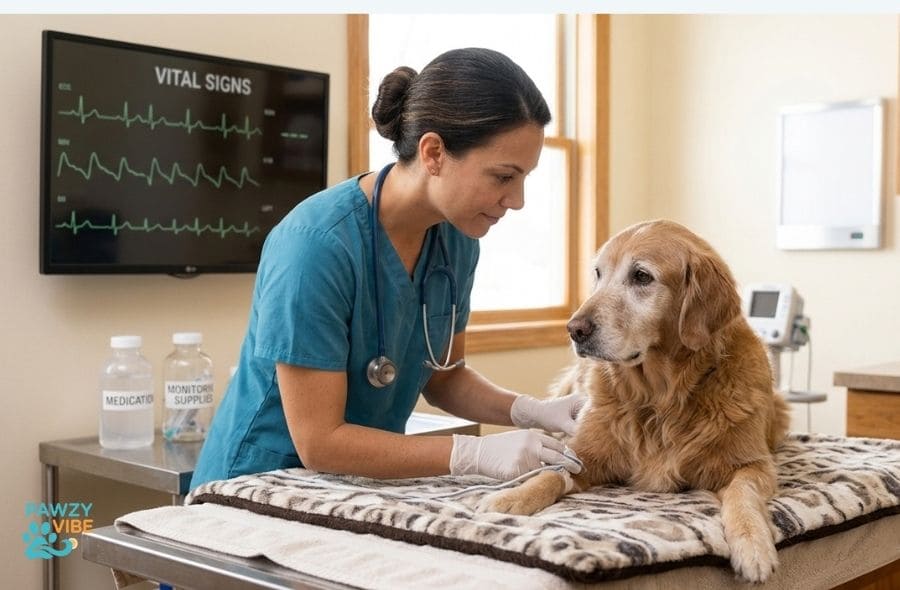
Continuous monitoring of blood pressure, heart rate, oxygen levels, and breathing throughout a procedure, standard at most veterinary practices now, catches problems early, long before they’d have been noticed in decades past.
6. Multiple Anesthetic Events Are Generally Safe
Senior dogs can safely undergo anesthesia more than once when medically necessary. There’s no evidence that repeated, properly managed anesthesia compounds risk in a healthy or well-managed dog.
7. The Risk of Avoiding a Necessary Procedure Can Be Worse
Leaving an infected tooth, a suspicious lump, or another treatable condition unaddressed out of anesthesia fear often causes more suffering and health decline than the anesthesia itself would have.
💡 Vet Technician Note: If you’re nervous about an upcoming procedure, ask your vet directly what they found on pre-anesthetic bloodwork and what specific precautions they’re taking for your dog’s age and health status. A good clinic will walk you through this without hesitation.
A Familiar Story
Emily was terrified when her 12-year-old Labrador, Charlie, needed anesthesia for a lump removal, having heard secondhand stories about older dogs not waking up well. Her vet walked her through Charlie’s pre-anesthetic bloodwork, explained the tailored, lower-dose protocol they’d use, and reassured her that his kidney and heart values looked strong for his age.
Charlie came through the procedure without complications and was back to his normal self within a couple of days, and Emily said knowing the actual plan beforehand made all the difference in her own anxiety.
What Proper Pre-Anesthetic Screening Actually Involves
You shouldn’t have to just trust that anesthesia will be fine. A thorough pre-anesthetic workup is what actually makes it safe, and it’s reasonable to ask your vet about each part.
A complete physical exam checks heart and lung sounds, hydration status, and overall condition immediately before scheduling anything.
Bloodwork, typically checking liver and kidney function, blood cell counts, and sometimes blood sugar, screens for hidden endocrine conditions that could complicate anesthesia, including issues related to Cushing’s disease or hypothyroidism that might not be obvious otherwise.
Chest X-rays or an echocardiogram, when a heart murmur or other concern is present, help the anesthesia team plan around a dog’s actual cardiac function rather than guessing.
A tailored anesthesia protocol, built around your dog’s specific age, weight, and health findings rather than a one-size-fits-all approach, is considered standard best practice by organizations like the American Animal Hospital Association.
According to the AKC Canine Health Foundation, treating every senior dog’s anesthesia as an individualized case, rather than applying a cookie-cutter protocol, is one of the clearest ways veterinary teams reduce risk in older patients.
💡 Vet Technician Note: Don’t be shy about asking whether your dog’s dental cleaning, a common reason for anesthesia covered in our guide to senior dog dental care, or a procedure like a lump removal will include the same level of pre-anesthetic screening as a bigger surgery. It absolutely should, and a good vet will confirm that without hesitation.
Proven Safety Steps That Protect Senior Dogs Under Anesthesia
There’s a lot that happens behind the scenes to keep senior dogs safe, and knowing what “good” looks like helps you ask the right questions.
IV Fluids Throughout the Procedure
Intravenous fluids help maintain blood pressure and support kidney function during anesthesia, which matters even more in older dogs with any degree of reduced organ reserve.
Active Warming
Keeping a dog warm from before induction through recovery reduces the risk of hypothermia-related complications and leads to a smoother, faster wake-up.
Continuous Monitoring by Trained Staff
A dedicated team member watching vital signs throughout the entire procedure, not just checking in periodically, catches subtle changes before they become real problems.
Post-Operative Pain Management
Appropriate pain control after the procedure supports faster, more comfortable recovery, and reduces stress-related complications during healing. Watching for the subtle signs of pain in senior dogs in the days after a procedure helps you catch anything that needs a follow-up call rather than waiting it out.
Choosing an Experienced Clinic for Complex Cases
For dogs with significant underlying conditions, a clinic with more advanced monitoring capability or a referral to a specialist may genuinely reduce risk compared to a routine setup.
💡 Vet Technician Note: If your dog has a diagnosed condition like arthritis, kidney disease, or a heart murmur, make sure every vet involved in a procedure knows the full history. Coordination between your regular vet and any specialist matters more than most owners realize.
When to Have an Extra Conversation With Your Vet
Some situations are worth a more detailed pre-procedure discussion rather than a routine scheduling call:
- A recent diagnosis of heart, kidney, or endocrine disease
- A dog who has had a difficult anesthesia recovery in the past
- Significant weight changes, up or down, since the last exam
- Breathing difficulty, even mild, noticed at home
- Any new or unexplained symptoms in the weeks leading up to a scheduled procedure
Per the American Animal Hospital Association, advanced age alone is not a contraindication to general anesthesia, and senior pets can safely undergo multiple anesthetic events when properly managed, which is exactly why a documented, individualized plan matters more than avoidance.
Quick Reference: Anesthesia Safety for Senior Dogs
| Situation | What Helps |
|---|---|
| Upcoming dental cleaning or lump removal | Confirm pre-anesthetic bloodwork will be done first |
| Dog has a known heart, kidney, or endocrine condition | Make sure the anesthesia team is fully informed beforehand |
| Feeling anxious about the procedure | Ask your vet to walk through the specific safety protocol |
| Dog runs cold or has had past recovery issues | Confirm active warming will be used throughout |
| Considering delaying a necessary procedure out of fear | Weigh the risk of anesthesia against the risk of leaving it untreated |
| Procedure is more complex than routine | Ask whether a specialist or advanced-monitoring clinic makes sense |
Frequently Asked Questions
Is there an age where a dog is truly too old for anesthesia? There’s no universal cutoff age. The real determining factor is a dog’s individual health status and how well underlying conditions are managed, not the number of years they’ve lived.
What is the actual death rate from anesthesia in dogs? Overall, anesthesia-related mortality in dogs is estimated around 0.1-0.17%, though this rate is somewhat higher in senior dogs, primarily due to a greater likelihood of undiagnosed underlying disease.
Should I get a second opinion before my senior dog’s anesthesia? If you have specific concerns about your dog’s health status or a complex procedure is planned, a second opinion or a referral to a veterinary anesthesiologist is a completely reasonable step, not an overreaction.
How long does it take a senior dog to recover from anesthesia? Most senior dogs are back to their normal selves within 24-48 hours, though some grogginess on the day of the procedure is expected. Recovery time can vary based on the specific procedure and the dog’s overall health.
Can I request extra monitoring for my senior dog during a routine procedure? Yes, and it’s a completely reasonable request. Discuss your concerns with your vet beforehand, since many clinics can offer enhanced monitoring for higher-risk patients even during routine procedures like dental cleanings.
This article is for general informational purposes and is not a substitute for professional veterinary advice. Please discuss any anesthesia concerns directly with your veterinarian before a scheduled procedure. See our Medical Disclaimer for more information.
PawzyVibe participates in the Amazon Services LLC Associates Program. If you purchase through links on this page, we may earn a small commission at no extra cost to you. We only recommend products we genuinely believe help senior dogs.