
Last updated: September 2026
You wake up to a damp spot on the dog bed, or worse, on your carpet, and your first thought isn’t anger — it’s worry. Senior dog incontinence catches most owners off guard the first time it happens, mostly because nobody warns you it’s coming.
It’s more common than people realize. It’s also rarely something your dog can control, which is worth saying clearly upfront: a dog leaking urine in their sleep isn’t being lazy or forgetful. Their body is doing something they genuinely can’t stop.
This guide walks through why senior dog incontinence happens, how to tell it apart from a behavioral issue, and what actually works — diapers, belly bands, waterproof bedding, and the daily habits that make managing it far less stressful for both of you.
A Familiar Story
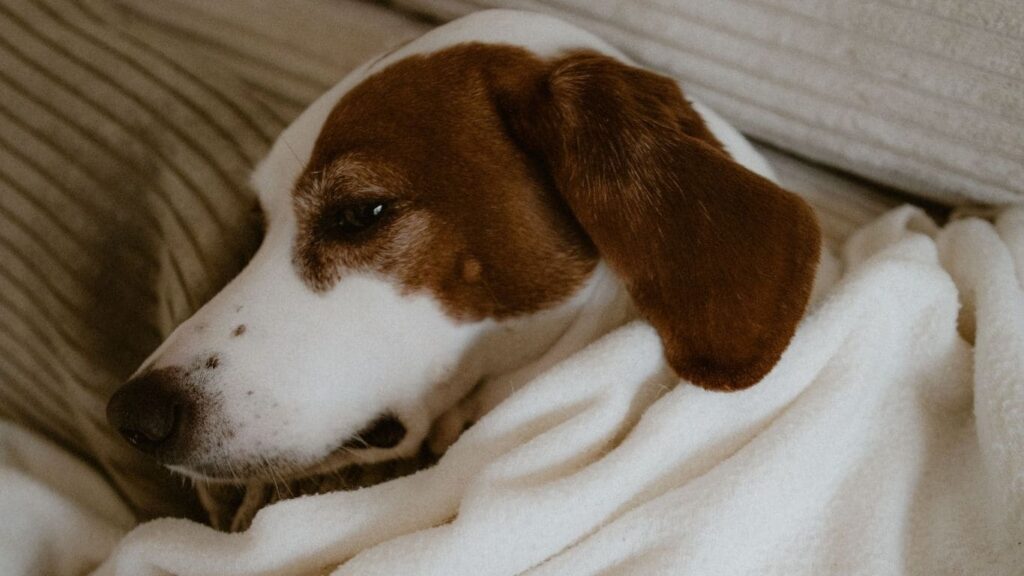
Denise noticed the first wet patch on her 12-year-old Beagle’s bed on a Tuesday morning. By Friday, it had happened three more times, always while he was sleeping.
She assumed he’d forgotten his training, until her vet explained it was almost certainly hormone-related urinary sphincter incompetence — a genuinely common, very treatable cause of senior dog incontinence in spayed females and, less often, neutered males. A short course of medication resolved most of it within two weeks.
Her story isn’t unusual. It’s just rarely talked about until it’s happening in your own house.
Why Senior Dog Incontinence Happens
Senior dog incontinence isn’t one single condition — it’s a symptom with several possible root causes, and figuring out which one applies to your dog matters for treatment.
Weakened Bladder Sphincter Muscles
Just like the muscles supporting joints and mobility weaken with age, the muscles controlling the bladder can lose tone over time. This is one of the most common drivers of senior dog incontinence, especially during sleep when muscles are most relaxed.
Hormone-Related Incontinence
Spayed female dogs are particularly prone to a condition called urinary sphincter mechanism incompetence, caused by reduced estrogen affecting bladder control. It typically shows up as leaking during rest or sleep rather than accidents while awake and active.
Urinary Tract Infections
A UTI can cause sudden, uncharacteristic accidents in a dog who was previously fully house-trained. Unlike age-related senior dog incontinence, UTI-related accidents often come with straining, frequent small urinations, or visible discomfort — which overlaps with some of the signs of pain in senior dogs worth watching for separately.
Diabetes and Kidney Disease
Both conditions increase thirst and urine production, which can overwhelm a dog’s ability to hold it — particularly overnight. Sudden increased drinking alongside new accidents is a combination worth mentioning to your vet quickly, especially if you’ve also noticed unexplained changes covered in our guide to senior dog weight loss, since both diabetes and kidney disease can affect weight at the same time.
Cognitive Decline
In some dogs, house-soiling isn’t a bladder problem at all — it’s a sign the dog has simply forgotten the training, a pattern that can appear alongside other symptoms covered in our guide to signs of dog dementia. This type of accident tends to happen while the dog is awake and moving around, not during sleep.
Mobility Limitations
Sometimes it isn’t the bladder at all — it’s that a dog with arthritis or hind-leg weakness simply can’t get up and outside fast enough anymore. This is worth ruling out before assuming true incontinence, particularly in dogs who’ve had recent difficulty using stairs or getting into the car covered in our guide to support harnesses for senior dogs.
💡 Vet Technician Note: Never assume senior dog incontinence is “just old age” without a vet visit. A simple urine test can rule out infection, diabetes, and kidney issues — conditions that are treatable but get worse if ignored. This is one symptom where a quick appointment genuinely changes the outcome.
How to Tell the Difference: True Incontinence vs. Behavioral Accidents
This distinction changes how you approach the problem, so it’s worth getting right.
True senior dog incontinence usually looks like:
- Leaking while asleep or resting, with no awareness it happened
- Consistent, predictable puddles in the same resting spots
- No change in the dog’s normal bathroom routine when awake
Behavioral or mobility-related accidents usually look like:
- Accidents while awake and moving around
- Correlation with new stress, a schedule change, or a new pet in the house
- A dog who seems to notice and react to the accident (looking guilty, avoiding the spot)
If you’re not sure which category your dog falls into, a short log — noting when accidents happen and whether your dog seems aware of them — gives your vet genuinely useful information at your next visit.
Managing Senior Dog Incontinence at Home
Dog Diapers
Washable or disposable diapers are the most complete solution for dogs with frequent or unpredictable leaking, particularly overnight.
What to look for:
- A snug but not restrictive waist and leg fit — loose diapers leak, tight ones cause chafing
- Absorbent core material rated for overnight use if accidents happen during sleep
- Washable cotton options for dogs who’ll wear them daily, since disposables add up fast in cost and waste
Getting the size right matters more than the brand. Measure your dog’s waist rather than guessing off their weight alone, since body shape varies enormously even within the same weight range.
Belly Bands (Male Dogs)
Belly bands wrap around a male dog’s midsection rather than covering the full rear, and they’re often the more comfortable option for dogs who only dribble small amounts rather than fully emptying their bladder.
They’re not appropriate for female dogs or dogs with more significant leaking, since they don’t provide the same coverage as a full diaper.
Waterproof Bedding
A washable, waterproof-lined bed protects the mattress underneath while still giving your dog somewhere comfortable to rest. Several of the best orthopedic dog beds for senior dogs already include waterproof liners as a standard feature, which makes them a practical double-purpose choice for a dog managing both joint pain and incontinence at the same time.
Protecting the Skin
Prolonged contact with urine can cause painful skin irritation, sometimes called urine scald, particularly in dogs wearing diapers for extended periods.
💡 Vet Technician Note: Check the skin under a diaper or belly band at least twice a day. Redness, a strong odor beyond normal urine smell, or visible irritation means it’s time for a cleaning and a short diaper-free break to let the skin dry out completely.
A Practical Overnight Routine
For dogs with nighttime leaking specifically, a few small adjustments often make a real difference:
- A final bathroom trip right before bed, even if it means waking your dog gently to go outside
- Limiting water access in the hour before sleep, without restricting it earlier in the day
- Using a washable pad under the diaper for easier overnight cleanup
When Medication Helps
For hormone-related senior dog incontinence, prescription medications like phenylpropanolamine are commonly used to restore bladder sphincter tone, and many dogs respond well within one to two weeks of starting treatment.
This isn’t something to start without a vet’s guidance, since dosing needs to be tailored to your dog and monitored for side effects — but it’s worth knowing that medication genuinely resolves the issue for a large number of dogs, rather than just managing the symptoms indefinitely.
As the American Kennel Club explains, incontinence in a previously house-trained dog is rarely about behavior — it’s almost always a medical or hormonal issue that a vet can help identify and treat.
Quick Reference: Managing Senior Dog Incontinence
| Situation | Best First Step | Product to Consider |
|---|---|---|
| Leaking only during sleep | Vet visit to check for hormone-related cause | Overnight-rated washable diaper |
| Sudden accidents, no history of leaking | Vet visit to rule out UTI or diabetes | None until diagnosed |
| Male dog, occasional dribbling | Try a belly band first | Belly band with absorbent pad |
| Mobility-related accidents | Address mobility, not just the accidents | Support harness, faster outdoor access |
| Protecting furniture and bedding | Add a waterproof layer | Waterproof-lined orthopedic bed |
Frequently Asked Questions
Why is my senior dog suddenly leaking urine after being fully house-trained? This is almost always a physical cause, not a training regression — weakened bladder muscles, hormone changes after spaying, a urinary tract infection, or an underlying condition like diabetes are the most common explanations. A vet visit helps identify which one applies rather than guessing.
Are dog diapers uncomfortable for senior dogs to wear? A properly fitted diaper shouldn’t cause discomfort, though most dogs need a short adjustment period similar to getting used to any new item worn on their body. Checking fit and skin condition regularly makes a bigger difference in comfort than the specific brand chosen.
Can senior dog incontinence be cured, or only managed? It depends entirely on the cause. Hormone-related and infection-related incontinence often responds very well to treatment and can resolve close to completely. Age-related muscle weakening is more often managed long-term rather than fully cured, though diapers and belly bands make that management straightforward.
How often should I change my dog’s diaper? Most dogs need a diaper change every four to six hours, or sooner if it becomes visibly saturated, to prevent skin irritation. Overnight, use a diaper specifically rated for extended wear rather than a daytime version.
Is senior dog incontinence a sign of a serious health problem? Sometimes, but not always. It can be as simple and treatable as hormone-related muscle weakness, or it can signal something like diabetes or kidney disease that needs medical attention. The only way to know which applies to your dog is a vet visit with a urine test, which is a quick and low-stress way to rule out the more serious causes.
This article is for general informational purposes and is not a substitute for professional veterinary advice. If your dog has started showing signs of incontinence, please consult your veterinarian to identify the underlying cause. See our Medical Disclaimer for more information.
PawzyVibe participates in the Amazon Services LLC Associates Program. If you purchase through links on this page, we may earn a small commission at no extra cost to you. We only recommend products we genuinely believe help senior dogs.