
Last updated: September 2026
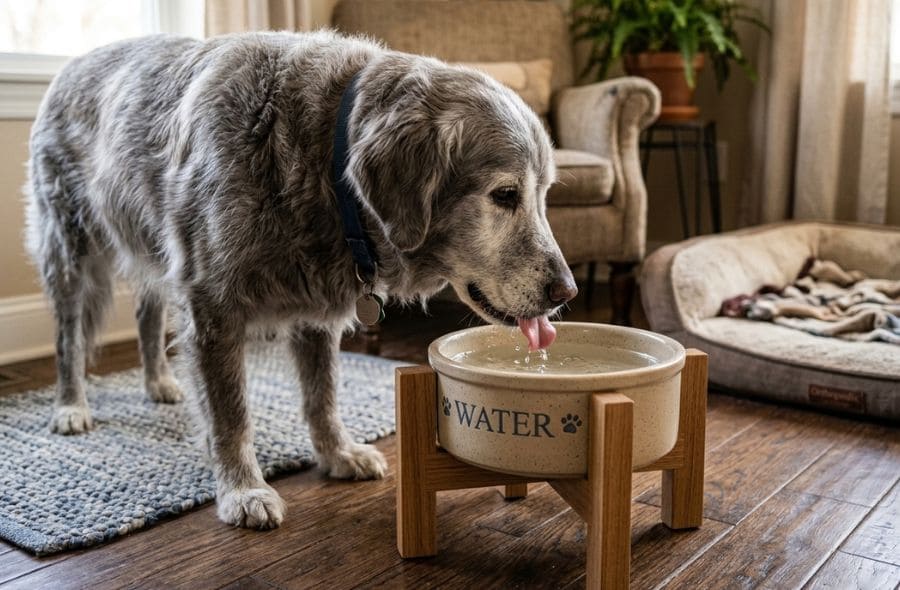
Your dog’s water bowl has been emptying faster than usual lately, and you’ve caught yourself refilling it twice as often. Maybe there have been a few more accidents in the house too, from a dog who’s been reliably house-trained for years.
It’s easy to explain away small changes like this. But kidney disease in senior dogs is one of the most common internal conditions affecting aging dogs, and by the time obvious symptoms show up, the kidneys have often already lost a significant portion of their function.
This guide walks through the real signs of kidney disease in senior dogs, how vets actually diagnose it, and the proven ways diet and care can genuinely extend a dog’s comfort and quality of life.
Why Senior Dogs Are So Prone to Kidney Disease
The kidneys work quietly in the background every single day, filtering waste products out of the bloodstream, balancing minerals, and producing urine. They have a lot of built-in reserve capacity, which is exactly why kidney disease in senior dogs is so easy to miss early on.
Research suggests that roughly two-thirds of kidney function is already lost before most visible symptoms appear. That reserve capacity is a blessing and a curse: it protects dogs from minor, temporary strain, but it also means the disease can progress silently for months or years before anyone notices anything is wrong.
A few things make kidney disease more likely as dogs age:
- Years of normal cellular wear and tear on kidney tissue that simply doesn’t regenerate the way it once did
- Long-term exposure to inflammation or infections, including chronic dental disease, since bacteria from the mouth can circulate through the bloodstream and affect organs over time
- Breed predisposition, with dogs like Shih Tzus, Cocker Spaniels, and certain terrier breeds showing higher documented rates
- Underlying conditions like high blood pressure or long-term untreated dehydration, which place ongoing strain on kidney tissue
- Previous toxin exposure, even a single past incident involving certain medications, plants, or chemicals, which can leave lasting kidney damage
None of this means kidney disease is inevitable. It means it’s common enough that every senior dog owner benefits from knowing what to watch for.
7 Real Signs of Kidney Disease in Senior Dogs
1. Drinking Noticeably More Water
This is usually the very first sign owners notice. Failing kidneys can’t concentrate urine efficiently, so the body compensates by making a dog feel thirstier than usual.
2. Increased Urination or House Accidents
A dog drinking more water naturally needs to urinate more often, and that sometimes shows up as accidents in a dog who’s never had them before, a change that can look a lot like the incontinence many senior dogs experience for entirely different reasons.
3. Noticeable Bad Breath
A specific ammonia-like odor on the breath, different from typical dental-related bad breath, can signal toxin buildup in the bloodstream as kidney function declines.
4. Decreased Appetite
Dogs with declining kidney function often become picky eaters or lose interest in food they used to enjoy, sometimes turning their nose up at meals entirely.
5. Unexplained Weight Loss
Kidney disease is one of several possible explanations behind unexplained weight loss in senior dogs, especially when it happens alongside reduced appetite and increased thirst.
6. Lethargy or Reduced Energy
As waste products build up in the bloodstream, dogs often seem noticeably more tired, less interested in walks, or slower to engage with things that used to excite them.
7. Vomiting or Occasional Diarrhea
Toxin buildup can irritate the digestive system directly, leading to intermittent vomiting or loose stool that doesn’t have an obvious dietary cause.
💡 Vet Technician Note: No single sign on this list confirms kidney disease on its own. It’s the combination, especially increased thirst paired with any of the others, that’s worth mentioning to your vet rather than waiting to see if it resolves on its own.
A Familiar Story
Diane noticed her 11-year-old Cocker Spaniel, Maisie, had started drinking from her water bowl constantly and asking to go outside more often overnight. She assumed it was just a summer heat thing, until routine senior bloodwork at her annual exam showed early-stage kidney values.
Her vet explained that catching it this early meant diet changes and closer monitoring could meaningfully slow the progression. Maisie is still going strong two years later on a kidney-support diet and regular checkups, living a comfortable, happy life.
How Vets Actually Diagnose Kidney Disease in Dogs
You genuinely cannot diagnose kidney disease in senior dogs from home, no matter how textbook the symptoms seem. A proper diagnosis requires specific testing.
Blood tests check for elevated waste products like BUN and creatinine, along with a newer, more sensitive marker called SDMA that can detect kidney changes earlier than older tests could.
Urine tests measure how well the kidneys are concentrating urine, which often reveals early dysfunction before blood values change significantly.
Blood pressure monitoring matters too, since kidney disease and high blood pressure often influence each other in both directions.
According to the American Kennel Club, catching kidney disease in its early stages through routine senior bloodwork gives vets the best chance to slow its progression meaningfully, which is exactly why annual or twice-yearly senior wellness exams matter as much as they do.
💡 Vet Technician Note: If your vet recommends yearly bloodwork starting around age seven, don’t skip it just because your dog “seems fine.” Kidney disease in senior dogs is one of the clearest examples of a condition that looks completely normal on the outside until it’s already fairly advanced.
Proven Ways to Help a Dog With Kidney Disease
There’s no cure for chronic kidney disease once it develops, but there’s genuinely a lot that helps slow its progression and keep a dog comfortable.
Prescription Kidney Diets Make a Real Difference
Diets formulated with reduced, high-quality protein and restricted phosphorus are considered the single most effective long-term management tool for kidney disease. If you’re exploring diet changes generally, our guide to air-dried dog food for senior dogs covers what to look for in quality, easily digestible options, though a vet-prescribed renal diet is specifically formulated for this condition and shouldn’t be swapped without your vet’s input.
Encouraging Water Intake
Dogs with kidney disease need consistent hydration more than ever. Wet food, pet water fountains, and having multiple water bowls around the house all encourage a dog to drink enough to support kidney function.
Managing Blood Pressure
Vets often prescribe specific medications to control blood pressure in dogs with kidney disease, since uncontrolled hypertension accelerates kidney damage over time.
Being Careful With Other Medications
Some common medications, including certain pain relievers used for arthritis, can put additional strain on compromised kidneys. Always tell your vet about a kidney diagnosis before starting or continuing any new medication or supplement.
Regular Monitoring
Dogs with diagnosed kidney disease typically need bloodwork every few months rather than annually, so their treatment plan can be adjusted as the condition changes over time.
💡 Vet Technician Note: Never give your dog over-the-counter human supplements or pain medications for any symptom without checking with your vet first once kidney disease is part of the picture. Several common human medications are processed through the kidneys and can cause serious harm to a dog whose kidneys are already compromised.
When to See a Vet Right Away
Some symptoms warrant same-day veterinary attention rather than a wait-and-see approach:
- Complete loss of appetite lasting more than a day
- Repeated vomiting, especially combined with lethargy
- Sudden collapse or extreme weakness
- Little to no urine production, which can indicate a medical emergency
- Any combination of the 7 signs above appearing together, suddenly
Per PetMD, dogs diagnosed with chronic kidney disease can often maintain a good quality of life for months to years with consistent management, which is exactly why early veterinary attention matters as much as it does.
Quick Reference: Managing Kidney Disease in Senior Dogs
| Situation | What Helps |
|---|---|
| Drinking more water than usual | Mention it at your next vet visit; don’t restrict access to water |
| Diagnosed with early-stage CKD | Transition gradually to a prescription kidney diet |
| Picky appetite | Try warmed wet food; ask your vet about appetite stimulants if needed |
| On medication for another condition | Confirm with your vet that it’s still safe with a kidney diagnosis |
| Managing long-term | Bloodwork every 3-6 months rather than annually |
| Sudden vomiting or collapse | Same-day vet visit, don’t wait it out at home |
Frequently Asked Questions
Can kidney disease in senior dogs be cured? No, chronic kidney disease is not curable once the kidneys are damaged, but it’s very manageable. Many dogs live comfortably for months to years after diagnosis with the right diet, medication, and monitoring plan.
What is the life expectancy of a senior dog with kidney disease? It varies enormously depending on how early it’s caught and the dog’s response to treatment. Dogs diagnosed early, before significant symptoms appear, often live comfortably for a year or more, while dogs diagnosed at a more advanced stage may have a shorter timeline.
Is kidney disease in dogs painful? Kidney disease itself isn’t typically described as painful in the way arthritis is, but the nausea, appetite loss, and general unwellness it causes genuinely affect a dog’s quality of life and comfort, which is why management matters so much.
Can diet alone manage kidney disease in dogs? Diet is one of the most powerful tools available, but it’s rarely the only piece. Most dogs benefit from a combination of prescription diet, medication as needed, and consistent monitoring rather than diet changes alone.
How often should senior dogs be tested for kidney disease? Most vets recommend annual bloodwork starting around age seven, moving to every six months once a dog reaches their senior years or if any risk factors are present. Dogs already diagnosed with kidney disease typically need more frequent monitoring, often every few months.
This article is for general informational purposes and is not a substitute for professional veterinary advice. If you notice changes in your dog’s thirst, appetite, or energy levels, please consult your veterinarian for proper testing. See our Medical Disclaimer for more information.
PawzyVibe participates in the Amazon Services LLC Associates Program. If you purchase through links on this page, we may earn a small commission at no extra cost to you. We only recommend products we genuinely believe help senior dogs.